Contrary to the reviews on yelp, the food here is really good and affordable!
Overview
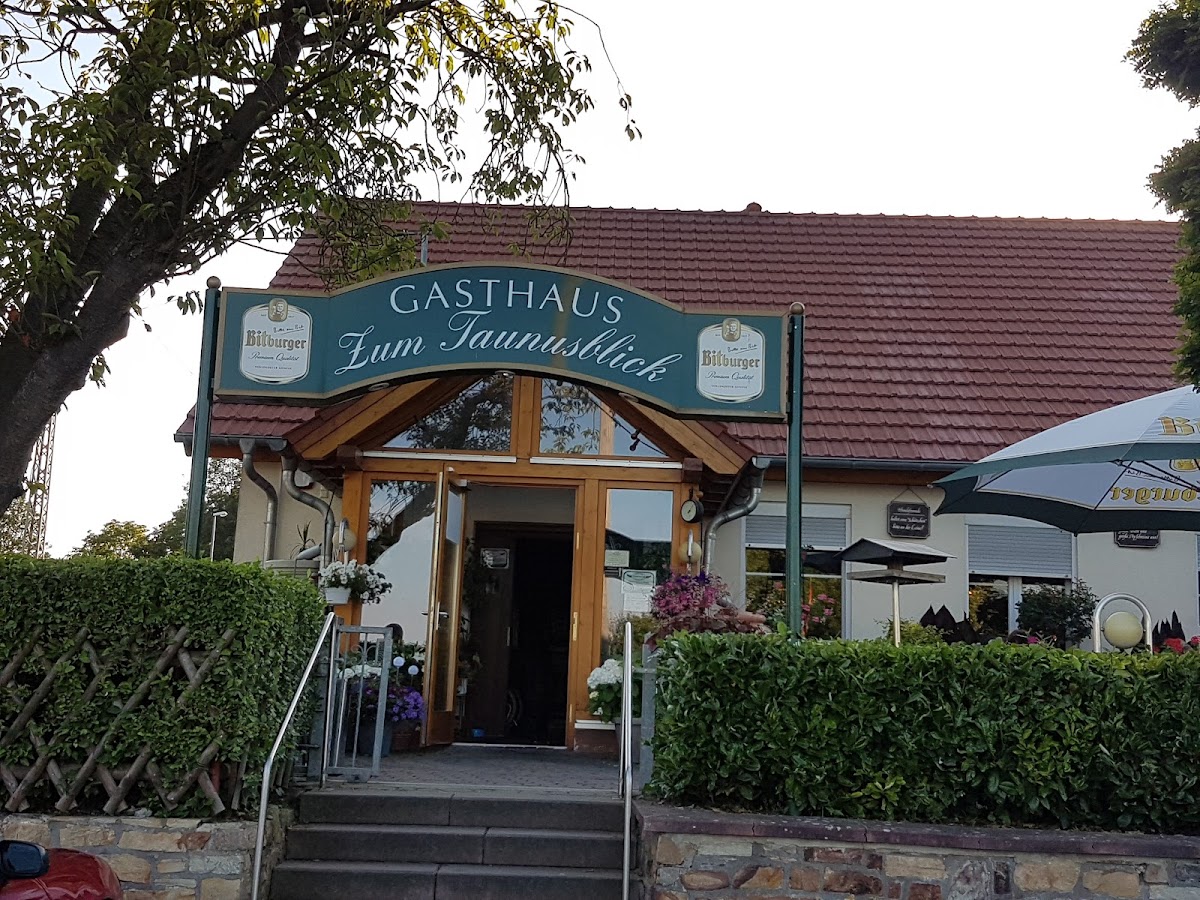
Walking into Gasthaus Zum Taunusblick feels like stepping into a place where time slows down and food still means something. I first stopped by on a rainy afternoon while exploring the quieter side of Wiesbaden, and it instantly became one of those restaurants you remember long after the plate is cleared. Tucked away at Veilchenweg 1, 65201 Wiesbaden, Germany, this traditional gasthaus balances local character with the kind of comfort you usually only find in family kitchens.
The menu leans heavily into classic German cooking, and that’s very much the point. Dishes aren’t rushed or overworked. Instead, they rely on regional ingredients, steady preparation, and flavors that have been tested over generations. I ordered a schnitzel with fried potatoes on my first visit, and what stood out wasn’t just the portion size, but the texture and seasoning. The meat was tender, the crust crisp without being greasy, and the potatoes clearly cooked fresh rather than reheated. That attention to detail matches what food researchers from institutions like the German Nutrition Society often highlight: simple techniques paired with quality ingredients consistently produce better meals than complex methods using processed foods.
Talking with the staff, I learned that several recipes are based on long-standing regional methods, especially those common in the Taunus area. Soups are simmered slowly, sauces are built from scratch, and seasonal items rotate through the menu depending on availability. This home-style cooking approach reflects a broader trend noted by organizations like the European Food Information Council, which has reported increased customer trust in restaurants that prioritize transparency and traditional preparation methods.
The dining room itself feels lived-in rather than staged. Wooden tables, casual seating, and wide windows give the space a relaxed rhythm. Locals drop in for lunch, families gather for dinner, and hikers from nearby trails often stop by for hearty meals. Reviews from regular guests frequently mention the welcoming atmosphere, and I’d agree. There’s no pressure to rush, and conversations flow easily, which makes it ideal for long meals or casual catch-ups.
One detail I appreciated was how the staff handled dietary questions. While the menu isn’t built around trends, they’re upfront about ingredients and flexible when possible. This openness aligns with consumer trust studies published by the European Commission, which show that diners value accuracy and honesty over extensive customization. It’s refreshing to see that reflected in real life rather than marketing copy.
Dessert deserves its own moment. On a later visit, I tried the apple strudel, served warm with vanilla sauce. The pastry was light, not overly sweet, and clearly made in-house. It’s the kind of dessert that doesn’t scream for attention but quietly finishes the meal on a satisfying note. Moments like this explain why the restaurant has built a reputation for authentic German cuisine rather than novelty dishes.
Location-wise, the gasthaus benefits from being slightly removed from tourist-heavy streets. That distance keeps prices reasonable and the crowd genuinely local. According to regional hospitality data from Hessen’s tourism board, restaurants outside city centers often receive higher repeat-visit rates, largely due to consistency and community ties. That pattern fits perfectly here.
There are limitations worth mentioning. The menu doesn’t change dramatically week to week, so guests looking for constant variety might find it predictable. Also, English explanations are available, but the experience is smoother if you’re comfortable with basic German terms. Still, these are minor trade-offs for a place that delivers reliability and warmth.
What stays with you after leaving is the sense that this is a restaurant doing exactly what it intends to do. No shortcuts, no unnecessary flair, just honest food served by people who care. In a dining world increasingly shaped by trends and algorithms, Gasthaus Zum Taunusblick quietly proves that consistency and craftsmanship still matter.
Good to know
Service options
✓ Outdoor seating ✓ Takeaway ✓ Dine-in ✓ DeliveryHighlights
✓ Great coffeePopular for
✓ Lunch ✓ Dinner ✓ Solo diningAccessibility
✓ Wheelchair-accessible car park ✓ Wheelchair-accessible seating ✓ Wheelchair-accessible entranceOfferings
✓ Alcohol ✓ Beer ✓ Coffee ✓ Late-night food ✓ Quick bite ✓ Spirits ✓ WineDining options
✓ Lunch ✓ Dinner ✓ Dessert ✓ Seating ✓ Table serviceAmenities
✓ ToiletAtmosphere
✓ Casual ✓ CosyCrowd
✓ GroupsPlanning
✓ Dinner reservations recommended ✓ Accepts reservationsPayments
✓ Debit cards ✓ NFC mobile payments ✓ Credit cardsChildren
✓ Good for kids ✓ High chairs ✓ Kids' menuParking
✓ Free of charge street parking ✓ Free parking lot ✓ ParkingPets
✓ Dogs allowedPhotos
1 / 4
Location
Reviews
- No ratings yet 447 reviews
Ich war zu einer Geburtstagsfeier eingeladen - wir waren in einer mittleren großen Gruppe dort - was überhaupt kein Problem dargestellt hat! Das personal war sehr freundlich und aufgeschlossen für extra wünsche Die Schnitzel waren sehr lecker und die Preise stimmen! Die Karte ist für ein gut bürgerliches Restaurant sehr gut! Für mich gute 5 Sterne
Wenn ich die negativen Rezensionen lese, frage ich mich oft, was sich manche Menschen einbilden. An diesem Restaurant gibt es nix, aber auch überhaupt auszusetzen. Wir waren gestern mit 8 Personen dort zum Abendessen vor einem Fußballspiel in der Nähe. Der Service, das Essen, Pommes waren nicht hart und die Schnitzel nicht hart wie Leder, das Ambiente.... alles hat gepasst und war perfekt. Die Bedienung war super nett, alles lief reibungslos. Ich hatte Leber, die war so toll, ich weiß nicht, ob ich schon jemals so eine perfekt zubereitete Leber gegessen habe. Vielleicht nehmen sich manche Menschen derart ernst, dass ihnen dann der Strohhalm für den Puderzucker in den Hintern einfach nur nicht groß genug. Ach ja... der Hit ist und das macht die ganze Lokalität noch um vieles sympathischer... hier gibt es tatsächlich noch ein Zigeunerschnitzel auf der Karte. Liebes Team.... macht weiter so. Bleibt euch treu dann wird es weiter prima laufen
Genauso sollte meiner Meinung nach ein Gutbürgerliches Restaurant sein. Die schlechten Kritiken - für mich nicht nachvollziehbar. Gemütlich, super sauber und ordentlich. Auch das WC war sehr sauber. Leckere Getränke und ein ehrlich und mit Liebe gekochte Speisekarte. Ich wäre Stammgast wenn ich dort wohnen würde.